
Experience our Comprehensive Range of Services
Of Magic Mushrooms in the UK
Our Services
Toggle title
- Our Magic mushrooms UK education section provides clear, responsible information about history, science, law and public safety.
- This magic mushrooms educational website is designed for research and general awareness, not purchasing or consumption.
- The article “What are magic mushrooms?” explains the term from a scientific and historical perspective.
- Our magic mushroom facts section separates reliable evidence from unsupported online claims.
- Find carefully presented psilocybin mushroom information based on scientific, legal and public-health sources.
- Psychedelic fungi explained clearly can help readers understand the subject without misinformation or sensationalism.
- This introduction to psilocybin examines its history, chemical classification and place in modern research.
- Psilocybin explained simply helps non-specialist readers understand an otherwise complicated scientific topic.
- Our psilocin explained guide introduces the compound and its relationship to certain mushroom species.
- A psilocybin versus psilocin comparison clarifies why these related terms do not mean exactly the same thing.
- Our psychedelic mushroom terminology guide defines frequently used scientific, historical and legal terms.
- These magic mushroom frequently asked questions provide concise answers based on responsible educational sources.
- We publish evidence-based psilocybin information while clearly acknowledging uncertainty and research limitations.
- This educational guide to psychedelic fungi covers taxonomy, cultural history, legislation and scientific investigation.
- Our common myths about magic mushrooms article corrects misleading claims found across social media.
- Understanding the facts and myths about psilocybin helps readers distinguish research findings from speculation.
- Understanding psychoactive mushrooms requires knowledge of biology, chemistry, law and public-health considerations.
- Our mushroom education UK resources examine fungi from a British scientific and legal perspective.
- Psychedelic science education should present findings accurately without encouraging illegal or unsafe behaviour.
- We provide public information about psilocybin for readers studying science, policy and public health.
- Our magic mushrooms UK law guide explains why legal status must be understood before discussing the subject.
- Readers asking “Are magic mushrooms legal in the UK?” should consult current government and legal information.
- The psilocybin legal status UK section summarises how relevant substances are controlled under British law.
- Our psilocybin classification UK article explains the substance’s position within the country’s drug-control framework.
- The phrase “magic mushrooms Class A drug UK” relates to an important legal and public-safety issue.
- UK controlled drug laws explained accurately can help prevent dangerous legal misunderstandings.
- Our Misuse of Drugs Act magic mushrooms overview introduces the principal legislation relevant to the subject.
- The relationship between psilocybin and the Misuse of Drugs Act is explained using authoritative legal sources.
- We publish legal facts about magic mushrooms UK to counter false or misleading claims about their status.
- This UK mushroom law educational guide is intended for awareness and does not constitute legal advice.
- Our fresh magic mushrooms UK law article examines the legal position using current official information.
- The dried magic mushrooms UK law section explains why physical form should not be assumed to change legality.
- Psilocin regulation in the UK remains an important subject for researchers, educators and policymakers.
- Our controlled mushrooms UK information page explains terminology used in official legislation.
- Readers researching penalties for psilocybin possession UK should verify information through official legal resources.
- UK drug policy and psilocybin continue to generate scientific, medical, legal and ethical discussion.
- The history of UK mushroom legislation demonstrates how laws and classifications have developed over time.
- Our psychedelic policy in the United Kingdom section follows major debates without promoting illegal activity.
- Psilocybin research regulation UK information explains why scientific studies require formal approval and oversight.
- Responsible legal-awareness education helps readers understand both the law and the limits of general online information.
- Our psilocybin scientific research section summarises peer-reviewed studies in accessible language.
- The article “How psilocybin affects the brain” discusses current scientific theories without presenting them as settled facts.
- Psilocybin neuroscience explained carefully can introduce readers to receptors, brain networks and research methods.
- Research concerning psilocybin and serotonin receptors has contributed to scientific discussion about psychedelic effects.
- Our psychedelic research overview examines major questions, methods and limitations within the field.
- The history of psilocybin research includes periods of early investigation, restriction and renewed academic interest.
- Clinical psilocybin studies explained responsibly must distinguish supervised research from unsupervised use.
- Psilocybin research in the UK takes place within regulated academic and clinical environments.
- Our current psychedelic science research section reviews developments without exaggerating preliminary results.
- Psilocybin clinical-trial information should come from recognised research institutions and official trial registries.
- Brain imaging and psilocybin research examines measurable changes under carefully controlled study conditions.
- Our psilocybin pharmacology overview introduces how researchers study absorption, metabolism and biological activity.
- Scientific evidence about psychedelics must be assessed according to study quality, sample size and reproducibility.
- A discussion of psilocybin research limitations helps prevent early findings from being presented as proven conclusions.
- Our “What scientists know about psilocybin” guide separates established findings from unanswered questions.
- Important psilocybin research questions concern safety, clinical effectiveness, long-term outcomes and research ethics.
- Psychedelic neuroscience education connects the study of psychoactive compounds with broader brain research.
- Academic research on psychedelic mushrooms includes work in pharmacology, neuroscience, psychology, anthropology and public policy.
- Psilocybin study findings explained for general audiences should remain accurate, balanced and properly sourced.
- The future of psychedelic research will depend on strong evidence, ethical oversight and responsible public communication.
- Our magic mushroom health risks page provides safety-oriented information without encouraging use.
- Psilocybin safety information should explain uncertainty, individual vulnerability and the importance of professional medical guidance.
- The risks of psychedelic mushrooms can involve physical, psychological, legal and environmental factors.
- Our psychological effects of psilocybin article discusses reported research observations in a neutral educational context.
- The physical effects of psilocybin are studied under controlled conditions and may differ between individuals.
- Research into short-term effects of psilocybin should not be interpreted as proof of safety outside supervised studies.
- Our potential risks of psilocybin section explains why online health claims require careful scrutiny.
- Psilocybin and mental health risks deserve particular attention because individual responses can be unpredictable.
- Psychedelic drug safety education should prioritise prevention, factual information and access to professional assistance.
- Psilocybin medication interactions are a medical matter that should be discussed with a qualified healthcare professional.
- Understanding why mushroom identification matters can reduce confusion between visually similar fungal species.
- Our poisonous mushroom awareness UK section teaches readers never to rely solely on photographs for identification.
- Mushroom poisoning prevention begins with avoiding unidentified wild fungi and consulting qualified experts.
- The risks of misidentified mushrooms demonstrate why casual identification can be unsafe.
- Our emergency signs of mushroom poisoning page directs readers toward urgent professional medical assistance.
- Knowing when to seek medical assistance is essential when someone may have encountered an unidentified or harmful fungus.
- Psychedelic harm-prevention information should focus on discouraging unsafe activity and correcting dangerous misinformation.
- Mental-health screening in research helps qualified teams evaluate participant suitability and potential risks.
- Psilocybin contraindications explained online cannot replace an individual assessment from a medical professional.
- Responsible psychedelic education presents scientific and legal facts without glamorising or encouraging substance use.
- The history of magic mushrooms includes scientific, religious, cultural and political developments.
- Our cultural history of psychedelic mushrooms examines traditions respectfully and avoids reducing them to commercial trends.
- The Indigenous history of sacred mushrooms should be discussed with accuracy, context and respect for living communities.
- Psilocybin discovery history traces how scientists identified and studied relevant chemical compounds.
- The history of psychedelic science includes changing research priorities, laws and ethical standards.
- Magic mushrooms in British history can be examined through archival, scientific and cultural sources.
- Cultural perspectives on psychedelic fungi vary considerably between societies and historical periods.
- The archaeology of psychoactive mushrooms remains a specialised subject in which claims require strong supporting evidence.
- Ethical discussion of psychedelic research includes participant protection, informed consent and responsible reporting.
- Public attitudes toward psilocybin UK have been influenced by media coverage, policy debates and emerging research.
- Mushroom species identification education teaches taxonomy while emphasising the dangers of amateur identification.
- Our Psilocybe species overview introduces classification and distribution without providing collection guidance.
- Fungi taxonomy for beginners explains how scientists organise and distinguish fungal groups.
- Understanding the difference between edible and poisonous mushrooms requires qualified identification and reliable resources.
- Our British fungi educational guide introduces the ecological diversity of fungi found across the United Kingdom.
- Mushroom anatomy explained clearly helps readers understand caps, stems, gills, pores and other biological structures.
- Spore identification under microscopy is a specialised scientific practice used by trained researchers and mycologists.
- Responsible mushroom observation means protecting habitats and avoiding contact with unidentified specimens.
- Fungi conservation in the UK supports biodiversity, healthy ecosystems and responsible environmental study.
- Our educational mushroom resources UK collection connects readers with scientific, legal and public-health information.
Shop From Our Top Rated Collections
-
-
-
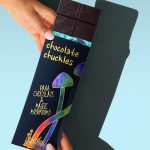 Buy Mushroom Chocoloate Bars
Buy Chocolate Mushrooms Thin Mints Online | Chocolate Bars
£27.80 Add to cart -
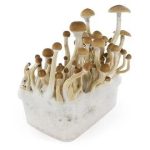
Products On Sale
-
Sale!
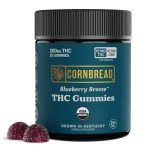 Cannabis THC Gummies
Blueberry Breeze THC Gummies, 10mg
Original price was: £75.00.£65.00Current price is: £65.00. Add to cart -
Sale!
 Buy Mushroom Capsules
Pure Mushroom Capsules 250mg
Price range: £67.00 through £105.00 Select options This product has multiple variants. The options may be chosen on the product page -
Sale!
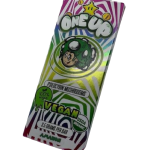 Buy Mushroom Chocoloate Bars
Buy One Up Vegan Mushroom Bars
Price range: £100.00 through £380.00 Select options This product has multiple variants. The options may be chosen on the product page -
Sale!
 Cannabis THC Gummies
Sativa Surge 10mg THC gummies
Original price was: £79.00.£60.00Current price is: £60.00. Add to cart
Best Selling Products
-
-
-
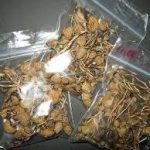 Buy Magic Mushrooms UK
Buy Liberty Caps UK
Price range: £50.00 through £250.00 Select options This product has multiple variants. The options may be chosen on the product page -
Introduction to Magic Mushrooms in the UK
Magic mushrooms, scientifically known as psilocybin mushrooms, have fascinated humans for centuries for their profound effects on the mind and consciousness. In recent years, the UK has witnessed renewed interest in these natural psychedelics — not just for recreational exploration but also for their potential in mental health treatment. As public curiosity grows, so does the need for clarity regarding legality, safety, and science-backed benefits.
Explore everything about magic mushrooms UK — from their legal status and health benefits to safety tips, scientific research, and the future of psilocybin therapy in Britain.
What Are Magic Mushrooms?
Magic mushrooms are fungi that contain psilocybin, a naturally occurring psychedelic compound. When consumed, psilocybin converts into psilocin in the body, influencing serotonin levels in the brain — leading to altered perception, mood shifts, and deep introspection. Globally, there are over 180 species of these mushrooms, and several are native to the UK.
Common Types of Magic Mushrooms Found in the UK
The most prevalent species in the UK include:
- Psilocybe semilanceata (Liberty Cap): The most iconic and widely distributed species in Britain.
- Panaeolus cinctulus (Banded Mottlegill): Found in grassy fields and compost.
- Gymnopilus junonius (Spectacular Rustgill): Recognizable by its orange hue and bitter taste.
These mushrooms typically appear during autumn, especially after heavy rainfall when temperatures cool.
A Brief History of Psychedelic Use in the United Kingdom
Psychedelics have woven themselves into human culture for millennia. In the UK, their modern history peaked during the 1960s counterculture movement. However, by the 1970s, legal restrictions halted scientific research and personal use. Fast forward to the 21st century, and psilocybin is making a cautious yet powerful comeback through clinical research and renewed public discourse on mental health.
Legal Status of Magic Mushrooms UK
The Misuse of Drugs Act 1971 and Its Implications
Under the Misuse of Drugs Act 1971, psilocybin is classified as a Class A substance — the same category as heroin and LSD. This means possession, distribution, or production of magic mushrooms in any form is illegal in the UK, carrying severe penalties.
Fresh vs. Dried Magic Mushrooms: What’s Legal?
Interestingly, before 2005, fresh magic mushrooms could be legally sold in the UK, as the law only banned processed or prepared forms. However, a legal amendment closed this loophole, rendering even fresh mushrooms illegal once picked or prepared for consumption.
-
 Buy Magic Mushrooms UK
Buy Huautla Cubensis Mushrooms
Price range: £67.00 through £367.00 Select options This product has multiple variants. The options may be chosen on the product page -
-
 Buy Magic Mushrooms UK
Buy Malabar Mushrooms UK
Price range: £68.00 through £373.00 Select options This product has multiple variants. The options may be chosen on the product page -
 Buy Magic Mushrooms UK
Buy Melmac Penis Envy
Price range: £60.00 through £330.00 Select options This product has multiple variants. The options may be chosen on the product page -
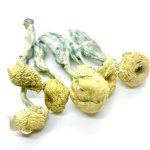 Buy Magic Mushrooms UK
Buy Mazatapec Mushrooms UK
Price range: £65.00 through £370.00 Select options This product has multiple variants. The options may be chosen on the product page -
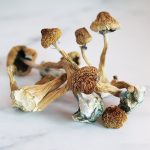 Buy Magic Mushrooms UK
African Transkei Mushrooms
Price range: £55.00 through £280.00 Select options This product has multiple variants. The options may be chosen on the product page
Are Magic Mushroom Spores Legal in the UK?
Magic mushroom spores do not contain psilocybin and therefore are not explicitly illegal. However, cultivating them into fruiting bodies (the mushrooms themselves) is considered illegal under current drug laws.
Current Legal Grey Areas and Enforcement
While the laws remain strict, enforcement often prioritizes large-scale cultivation and trafficking over small personal possession. However, any form of possession can still result in criminal charges, so caution is advised.
The Science Behind Psilocybin and Its Effects
How Psilocybin Works in the Brain
When ingested, psilocybin converts to psilocin, which binds to serotonin receptors in the brain, particularly 5-HT2A receptors. This leads to altered sensory perception, changes in mood, and a dissolution of ego boundaries — a hallmark of the psychedelic experience.
Psychological and Physical Effects of Magic Mushrooms
Typical effects include heightened sensory awareness, visual distortions, emotional insight, and a sense of connection with nature or the universe. Physically, users may experience nausea, muscle relaxation, or mild tremors. The intensity largely depends on dosage, mindset, and setting.
Potential Risks and Side Effects
While psilocybin is non-addictive, it can trigger anxiety or confusion, particularly in unsafe environments. Those with a history of psychosis or bipolar disorder are advised against use. The key to minimizing risk lies in education, preparation, and proper integration.
Magic Mushrooms and Mental Health Research
Over the last decade, scientific interest in magic mushrooms UK has surged, particularly in the context of mental health. Research institutions such as Imperial College London and King’s College London have led pioneering studies exploring the therapeutic potential of psilocybin, the active compound in these mushrooms. These studies suggest that psilocybin could revolutionize how we treat depression, anxiety, and addiction.
The Rise of Psilocybin Therapy for Depression and PTSD
Psilocybin-assisted therapy combines controlled psychedelic sessions with psychological support. Clinical trials show that patients experience lasting relief from symptoms of major depressive disorder, post-traumatic stress disorder (PTSD), and even end-of-life anxiety. Unlike conventional antidepressants that must be taken daily, psilocybin therapy often provides measurable improvement after just one or two sessions. The compound appears to “reset” brain networks associated with rumination and negative thought loops.
Clinical Studies in the UK and Worldwide
The Centre for Psychedelic Research at Imperial College London has been at the forefront of psilocybin studies. In a landmark 2020 trial, researchers found that psilocybin performed as effectively as SSRIs (selective serotonin reuptake inhibitors) in treating depression, but with faster onset and fewer side effects. Globally, similar studies are being conducted in the US, Canada, and the Netherlands — all pointing to psilocybin’s potential as a breakthrough therapy.
Future of Psychedelic-Assisted Therapy in Britain
Despite promising results, psilocybin remains a Class A substance, restricting its therapeutic use. However, momentum is building. The UK government recently approved small-scale compassionate-use studies for terminally ill patients, and advocacy groups like Drug Science and The Beckley Foundation continue to campaign for medical reclassification. Experts predict that legal therapeutic access could emerge within the next decade, mirroring the path of medical cannabis reform.
How to Identify Magic Mushrooms in the UK (Safely and Legally)
Before exploring identification, it’s vital to note that picking or consuming psilocybin mushrooms in the UK is illegal. However, understanding their characteristics can be helpful for educational or academic purposes.
Distinguishing Psilocybin Species from Toxic Lookalikes
Magic mushrooms can resemble several poisonous species, such as Galerina marginata or Cortinarius rubellus, both of which are lethal if ingested. Key identification traits of Psilocybe semilanceata (Liberty Cap) include:
- A small, conical or bell-shaped cap with a pointed tip.
- A caramel-brown color that lightens when dry.
- Thin, wavy gills that turn purple-black with age.
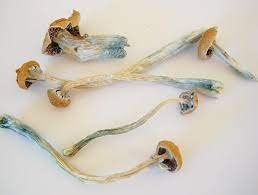
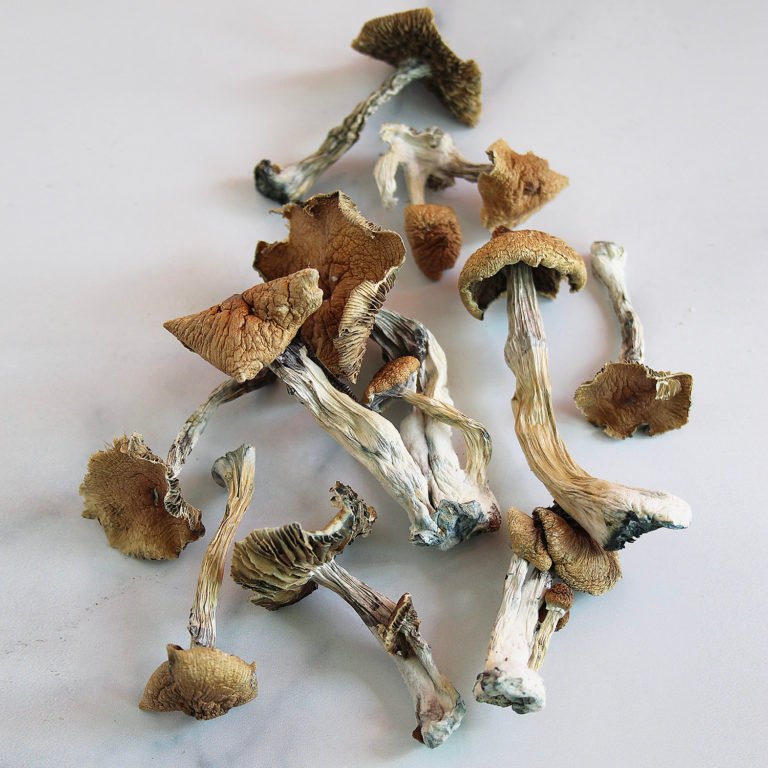
- A slender, pale stem that bruises blue when handled.
Seasonal and Regional Growth Patterns in the UK
Liberty Caps typically appear from September to November, thriving in moist, grassy meadows, often where sheep graze. They’re most common in Wales, Scotland, and northern England, where damp climates favor their growth.
Safe and Ethical Foraging Practices
If studying mushrooms for research or photography, never consume unidentified specimens. Use resources like the British Mycological Society or local fungal guides for safe identification. Always respect protected land, avoid overharvesting, and prioritize environmental sustainability.
What to Expect from a Magic Mushroom Trip
Preparation, Set, and Setting
“Set” refers to mindset, and “setting” to environment — both crucial for a safe psychedelic experience. A calm, supportive space and a clear mental state help ensure a positive journey. Some individuals choose to have a sober sitter present to provide reassurance and safety.
Duration, Dosage, and Aftereffects
A typical trip lasts 4–6 hours, depending on the dose and individual metabolism. Lower doses may enhance creativity and emotional openness, while higher doses can lead to profound, introspective, or even mystical experiences. Post-trip effects often include emotional clarity and renewed motivation, though mild fatigue or sensitivity can linger for a day.
Integrating the Experience for Personal Growth
Integration involves reflecting on insights gained during the experience and applying them constructively. Journaling, therapy, or meditation can help transform the psychedelic journey into lasting personal growth. Modern psychedelic therapy emphasizes that the real healing occurs after the trip — through reflection and integration.
The Growing Popularity of Microdosing in the UK
What Is Microdosing?
Microdosing involves consuming a sub-perceptual dose of psilocybin (usually 5–10% of a typical trip dose) to enhance creativity, focus, and mood without hallucinations. It’s gained traction among professionals, students, and creatives seeking mental clarity and emotional balance.

Reported Benefits and Challenges
Users report improved concentration, emotional stability, and reduced anxiety. However, controlled scientific data remains limited. Challenges include inconsistent dosing, tolerance buildup, and — importantly — the legal risks involved in sourcing or using psilocybin.
Legal Alternatives to Microdosing Magic Mushrooms
Some UK residents experiment with legal adaptogens such as Lion’s Mane mushroom, Rhodiola rosea, and Ashwagandha. Though not psychedelic, these natural supplements are believed to boost mood and cognitive performance. Companies like Flow State and Four Sigmatic now market mushroom-based nootropics that mimic some cognitive benefits of microdosing — legally.
The Future of Magic Mushrooms in the UK
Ongoing Legalization Efforts and Policy Changes
While complete legalization may still be years away, significant discussions are taking place. In 2024, several MPs called for a review of psilocybin’s Schedule 1 status, citing its medical potential and low abuse risk. Advocacy groups continue to push for rescheduling to enable easier research access.
The Role of Science, Public Opinion, and Advocacy
Public opinion is gradually shifting. As more scientific data supports psilocybin’s benefits, stigmas around psychedelics are fading. Influential public figures, scientists, and journalists have begun openly discussing their experiences, further normalizing the conversation around responsible psychedelic use.
FAQs About Magic Mushrooms UK
1. Are magic mushrooms legal in the UK?
No. Psilocybin-containing mushrooms are classified as a Class A drug under the Misuse of Drugs Act 1971. Possession or sale is illegal and can result in prosecution.
2. Can you legally buy magic mushroom spores in the UK?
Yes, spores are legal since they don’t contain psilocybin. However, cultivating them into mushrooms is a criminal offence.
3. Are there any legal ways to experience psilocybin therapy in the UK?
At present, only approved clinical trials or research settings allow psilocybin use legally. Some UK participants travel abroad for licensed retreats in countries like the Netherlands or Jamaica.
4. How long do magic mushrooms stay in your system?
Psilocybin is typically detectable in urine for up to 24 hours and in blood for about 6–12 hours after use.
5. Can magic mushrooms help with depression or anxiety?
Early research shows promising results for treatment-resistant depression and PTSD, but psilocybin remains unapproved for public use pending further trials.
6. Are there natural legal alternatives in the UK?
Yes, non-psychedelic supplements like Lion’s Mane, Reishi, and Cordyceps are popular for enhancing focus and mental well-being without breaking the law.
For more on the legal status of psilocybin and ongoing research, visit the Drug Science official website.